What is ego(lite)?
ego(lite) is the agent browser built to share with your AI agents, like Codex or Claude Code. Zero cost, zero config. Let them handle any web automation effortlessly.
Existing tools like Browser Use and agent-browser are browser automation frameworks. They need a separate browser to drive, logins never carry cleanly, and you and the agent end up fighting for the same tabs.
ego(lite) is one browser designed from the start for the two of you to share — no extra setup, and the agent can always reach your real logins and tabs through ego-browser.
What is an agent browser?
An agent browser is a browser built to be driven by AI agents instead of only a human. It lets users and their AI agents use the browser at the same time without disrupting each other. The agent gets a real window, tabs, and (ideally) your logins, rather than a headless instance it has to configure from scratch.
ego(lite) is that agent browser: the same Chromium you use every day, with a Space where Claude Code, Codex, or Cursor can click, fill, and read pages on their own. Compare that to a browser automation framework like Browser Use or Puppeteer, which drives a separate, blank browser instead of the one you're already logged into.
How is ego(lite) different from Playwright or Puppeteer?
Playwright and Puppeteer are browser automation libraries you embed in code. They drive pages through CSS selectors, which break whenever a site reshuffles its DOM.
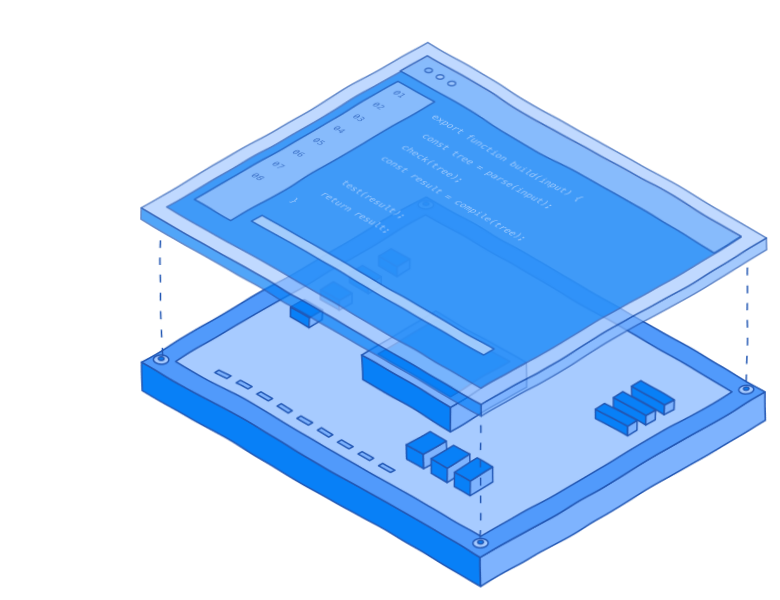
ego(lite) is a real browser plus ego-browser. ego-browser is the connection layer between any agent product (Claude Code, Codex, Cursor, or your own) and ego(lite) — it exposes the browser as a set of in-page JavaScript tools: snapshot, fill, click, wait, navigate, capture. The agent writes a JavaScript snippet that composes several steps using those tools, and ego-browser runs it on the page in one pass, instead of the one-tool-at-a-time round trips Playwright and Puppeteer require. The snapshots cost fewer tokens than HTML, and the @N refs stay stable when class names rotate. There's no SDK to integrate, and nothing to install from the Playwright or Puppeteer ecosystem.
How is ego(lite) different from Browser Use or Vercel's agent-browser?
ego(lite) is a real browser plus ego-browser. Whichever agent you use, whether that's ego, Claude Code, Codex, Cursor, or something else, drives the same browser you use daily. Space keeps the agent's work isolated from yours.
Browser Use is an autonomous agent framework. It bundles its own LLM loop and drives a separate browser instance. You can point it at a real Chrome, but only after you fully close it. Extensions don't load by default. And it has its own pricing tier on top of whatever you already pay for.
Vercel's agent-browser is a CLI that lets your agent control a browser through shell commands, but it ships no browser of its own. The agent doesn't share your daily browser session, so your real logins aren't available to the running task.
Does ego(lite) work with Claude Code, Codex, and Cursor?
Yes. Any agent that can run a shell command can drive ego(lite) through ego-browser:
• ego, Claude Code, Codex, Cursor, Continue, Gemini CLI
• Hermes Agent, OpenClaw, OpenCode
• Any custom in-house agent you've built
ego-browser installs as a skill into your agent's skill directory during onboarding. The agent then calls browser automation commands the same way it runs any other shell tool. There's no SDK to integrate, and you're not locked into a specific model.
Can ego(lite) replace Chrome as my main browser?
Yes. ego(lite) is built on Chromium, so the address bar, tab groups, bookmarks, profiles, extensions, downloads, and incognito mode behave the way they do in Chrome. The difference is Space: an isolated workspace where your AI agent runs web automation alongside you, and doesn't touch your tabs unless you let it.
Can I bring my Chrome bookmarks, passwords, and extensions into ego(lite)?
Yes. ego(lite)'s onboarding migrates the following from Chrome in one click:
• Tabs and tab groups you're using
• Bookmarks and saved passwords
• Browser extensions
• Cookies and login sessions
• Browser profiles
Every site you've already signed into stays signed in, and the agent inherits the same logged-in state. It doesn't need to re-authenticate to Gmail, Notion, LinkedIn, or your internal tools every time it runs a task.
Can I keep using my browser while the agent runs tasks?
Yes. The agent runs inside Space, an isolated workspace in ego(lite). It works in its own area, so your tabs stay untouched unless you explicitly hand one over. It doesn't take over your mouse or steal focus from whatever you're doing. Switch into Space anytime to watch the agent work, or ignore it and keep working in your own window.
How does ego(lite) reduce token usage for browser automation?
What gets cheaper is the whole task, not any single step. The savings come from several features stacking together.
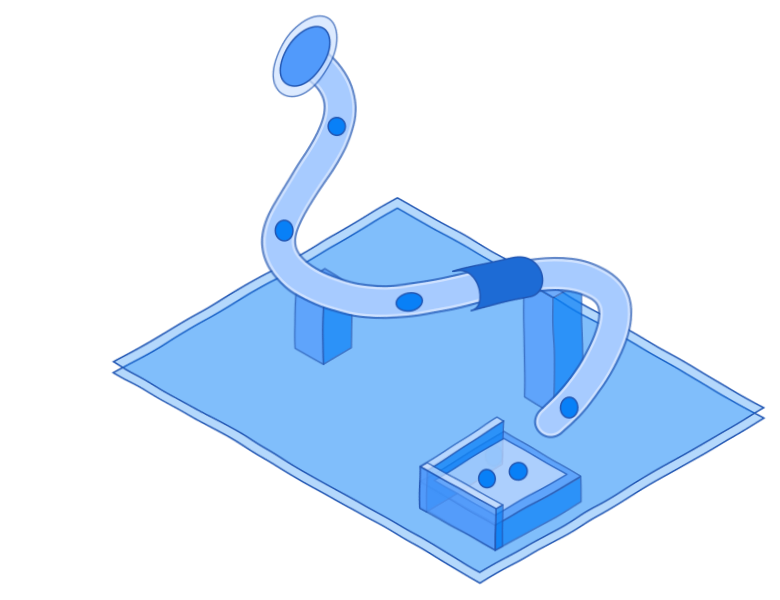
The agent can run several actions in the page with a few lines of JavaScript, instead of calling one tool at a time and waiting for each result before deciding the next, the way Playwright, Puppeteer, and most browser automation frameworks work.
Combined, complex browser automation tasks complete faster and on fewer tokens overall.
Is my data safe when an AI agent uses ego(lite)?
Yes. ego(lite) doesn't upload your browsing data. Your history, cookies, login sessions, and anything the agent reads stay on your own computer. The one thing ego(lite) records during setup is whether you opted into Chrome data migration.