












ego (lite) is just a browser, ego is your personal agent across devices.
Join waitlist
Facebook public engagement data workflow

Automatically click like on Facebook for free

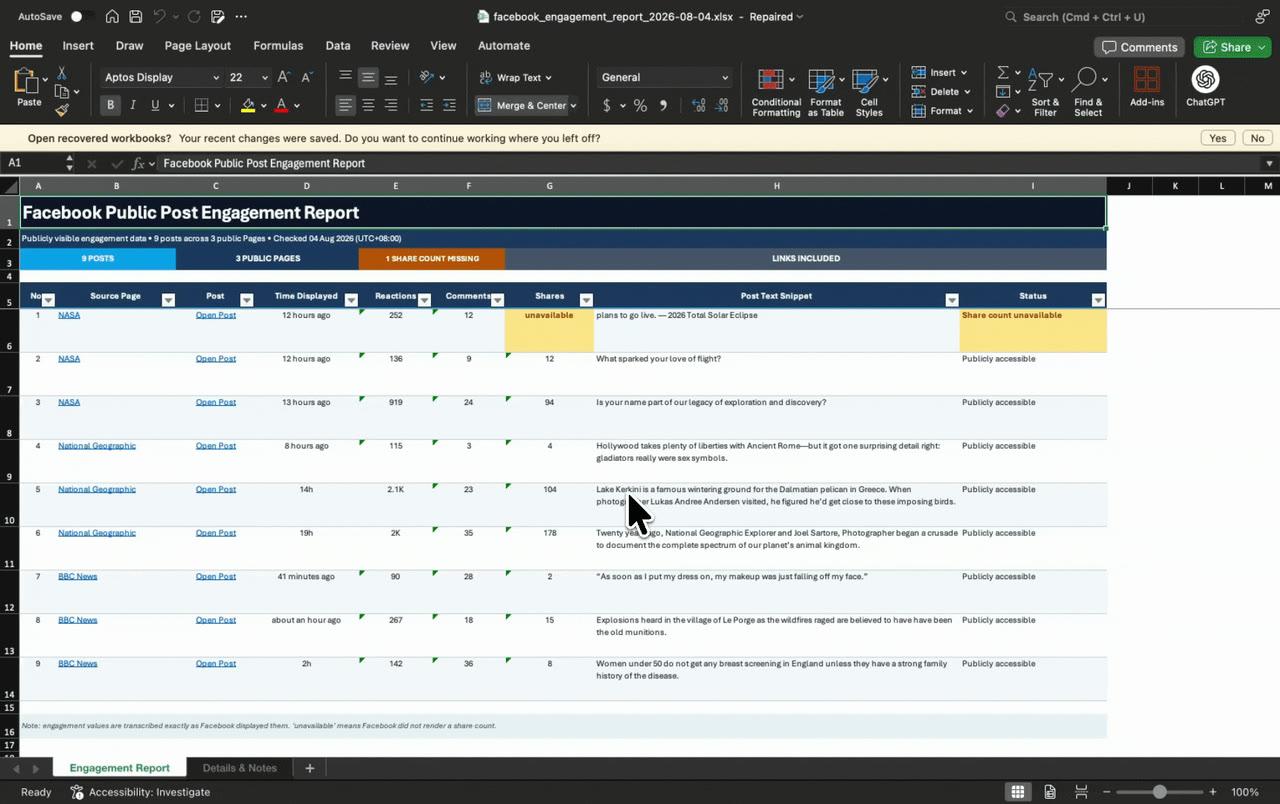
Use ego (lite) with Codex or Claude Code to review public Facebook posts and organize their visible reactions, comments, shares, post dates, source URLs, and check times into one source linked report. Compare Pages and posts with every number tied to its source.

Download for Mac(yes, free)

Trusted by developers from

OpenAIAnthropicGoogleMetaNVIDIACursorPerplexity
SpaceXTeslaNotionFigmaStripeNetflixAirbnb

How to collect public Facebook engagement data with an AI agent

Use this bounded workflow for public posts and public Pages you are allowed to review. Your Agent records what the current browser session visibly shows and saves a source linked report. It does not act as a Facebook post liker, add a reaction, or make a hidden metric appear.

1

Install ego (lite) and choose an authorized browser context

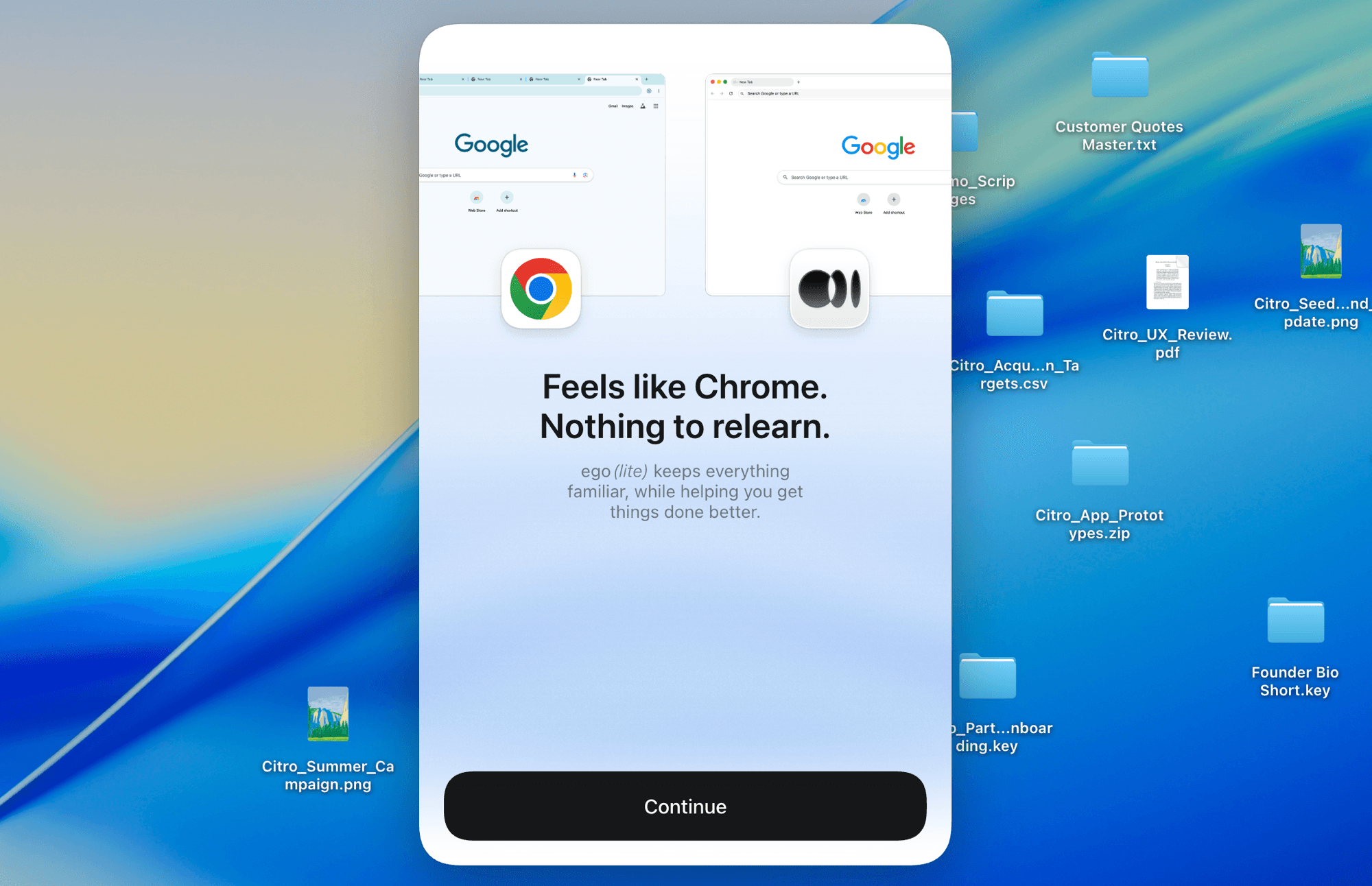
Download ego (lite), then import only the Chrome context you choose to authorize. Some public Pages and posts are visible without signing in, but Facebook still controls what a region, session, consent choice, or account can see. The Agent does not enter credentials or work around those controls.
2

Send a Facebook engagement prompt to your AI agent

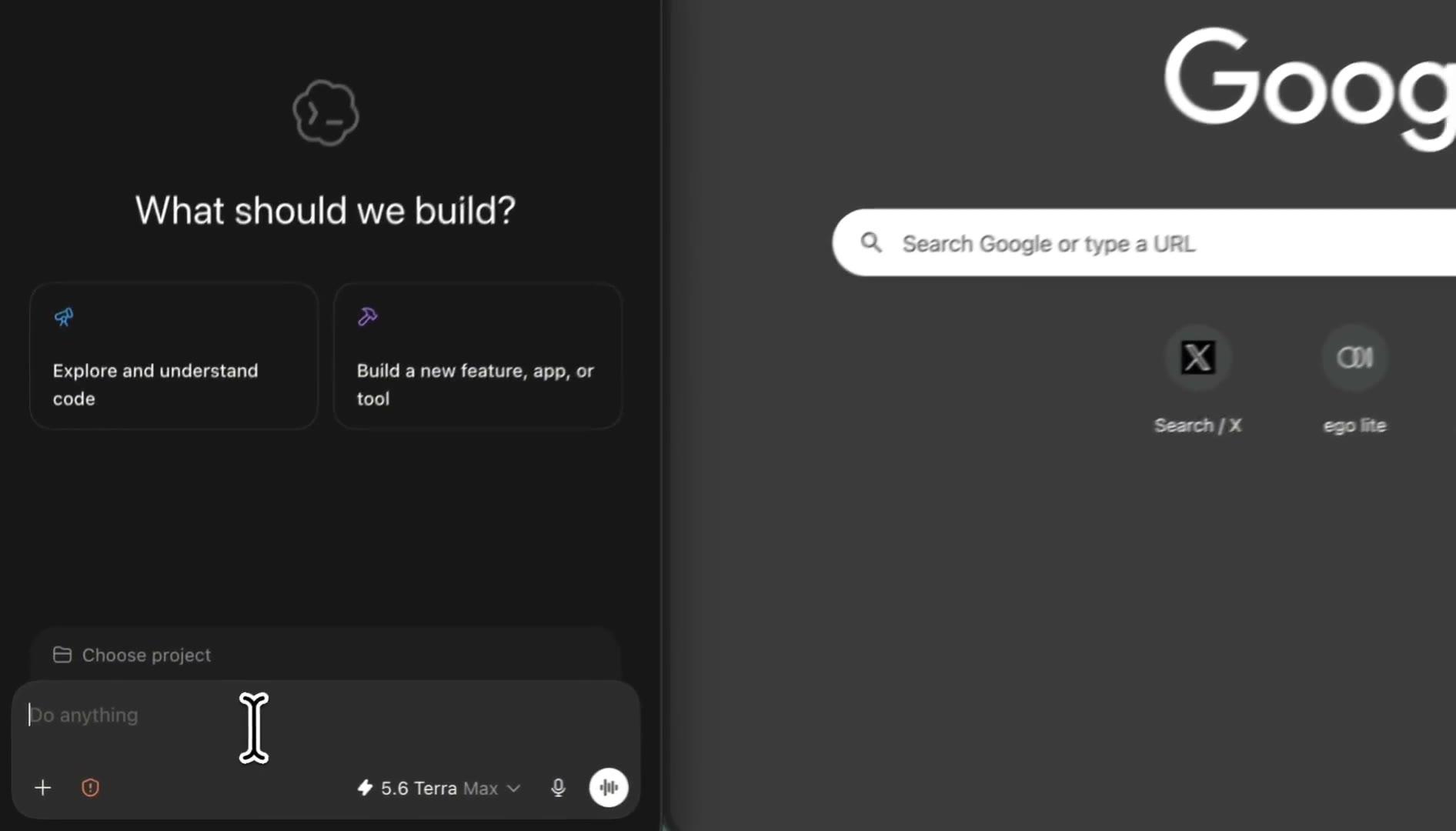
Add the public post or Page URLs you want to review, choose fields such as reactions, comments, shares, post dates, and source URLs, then select CSV or Markdown. Send the prompt to Codex or Claude Code to start a structured, source linked collection.

3

Every post gets its own Space. Every count has a source.

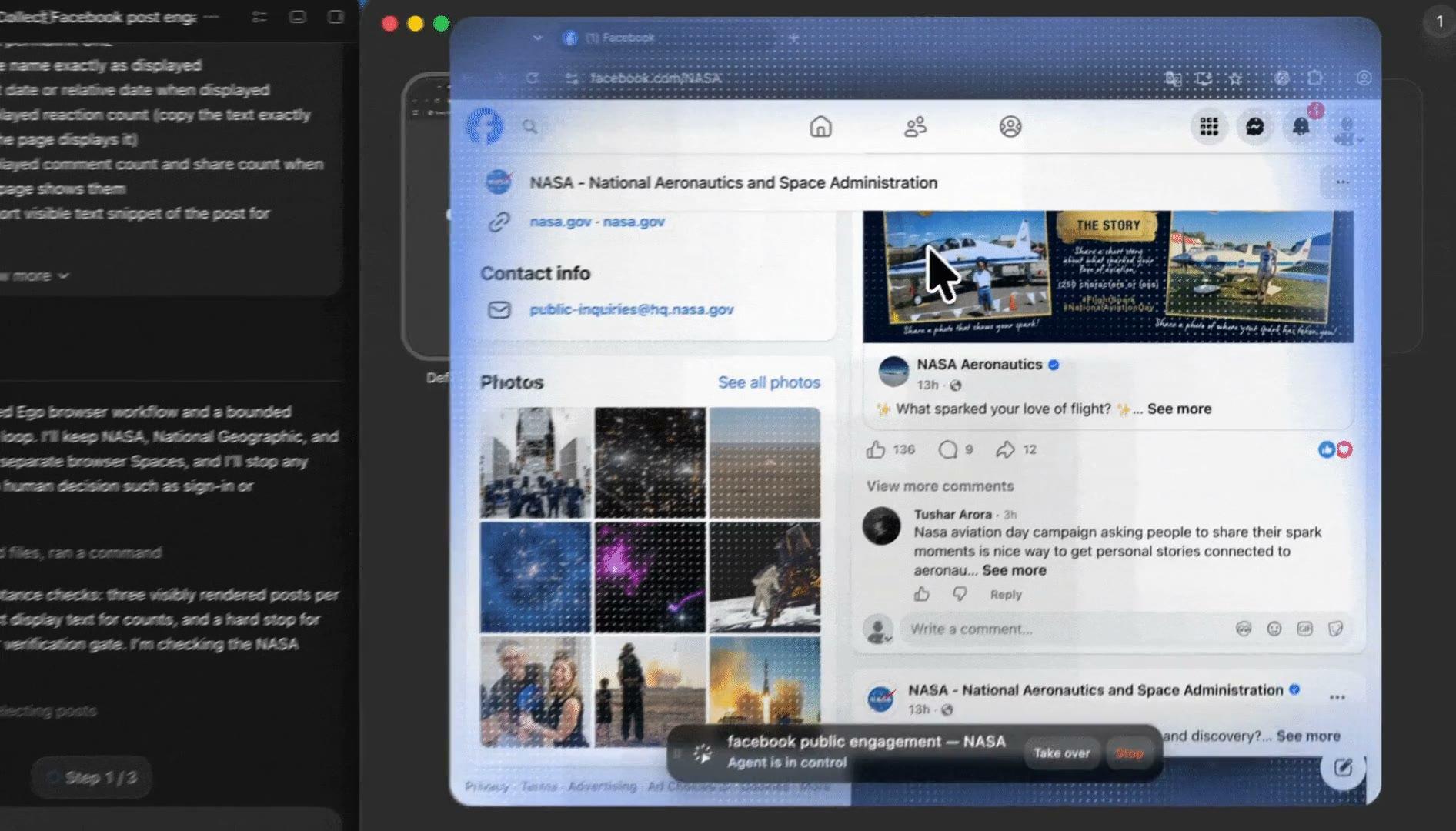
The Agent opens each source in a separate ego (lite) Space so you can see which page supplied a count and take over if Facebook asks for a human decision. It records reactions, comments, and shares exactly as the page displays them and marks a field unavailable when the post does not show it.

4

Multitask while Facebook research runs in parallel

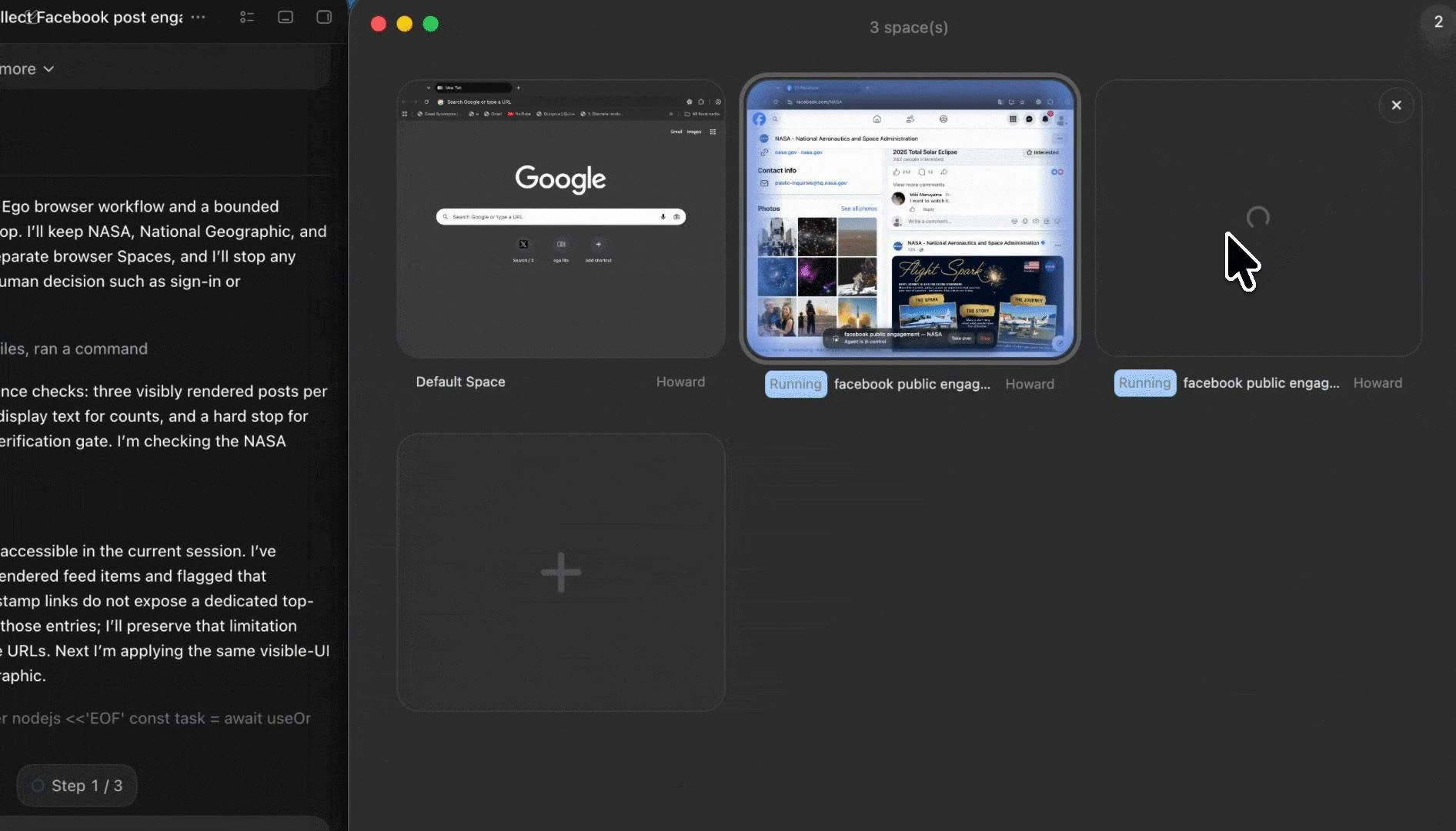
Each Facebook Page review runs in its own ego (lite) Space while your Default Space stays open for other work. Track several sources in parallel, switch between tasks instantly, and keep every session, tab, and result organized.

5

Review the source linked engagement report

Open the finished CSV or Markdown report to compare the public values with their URLs and check time. The output is a research record, not an engagement tool: it never claims that a displayed count is private analytics, guaranteed accurate, or caused by the workflow.

Why use ego (lite) for public Facebook engagement data?

A Facebook liker site gives you fake numbers and takes your account in exchange. That is not what ego (lite) is for. Give your own Agent a visible browser, a bounded list, and a simple output contract instead. You retain the public source, the displayed value, the check time, and the stopping point for every post.

Finish this browser task 3.5× faster with ego (lite)

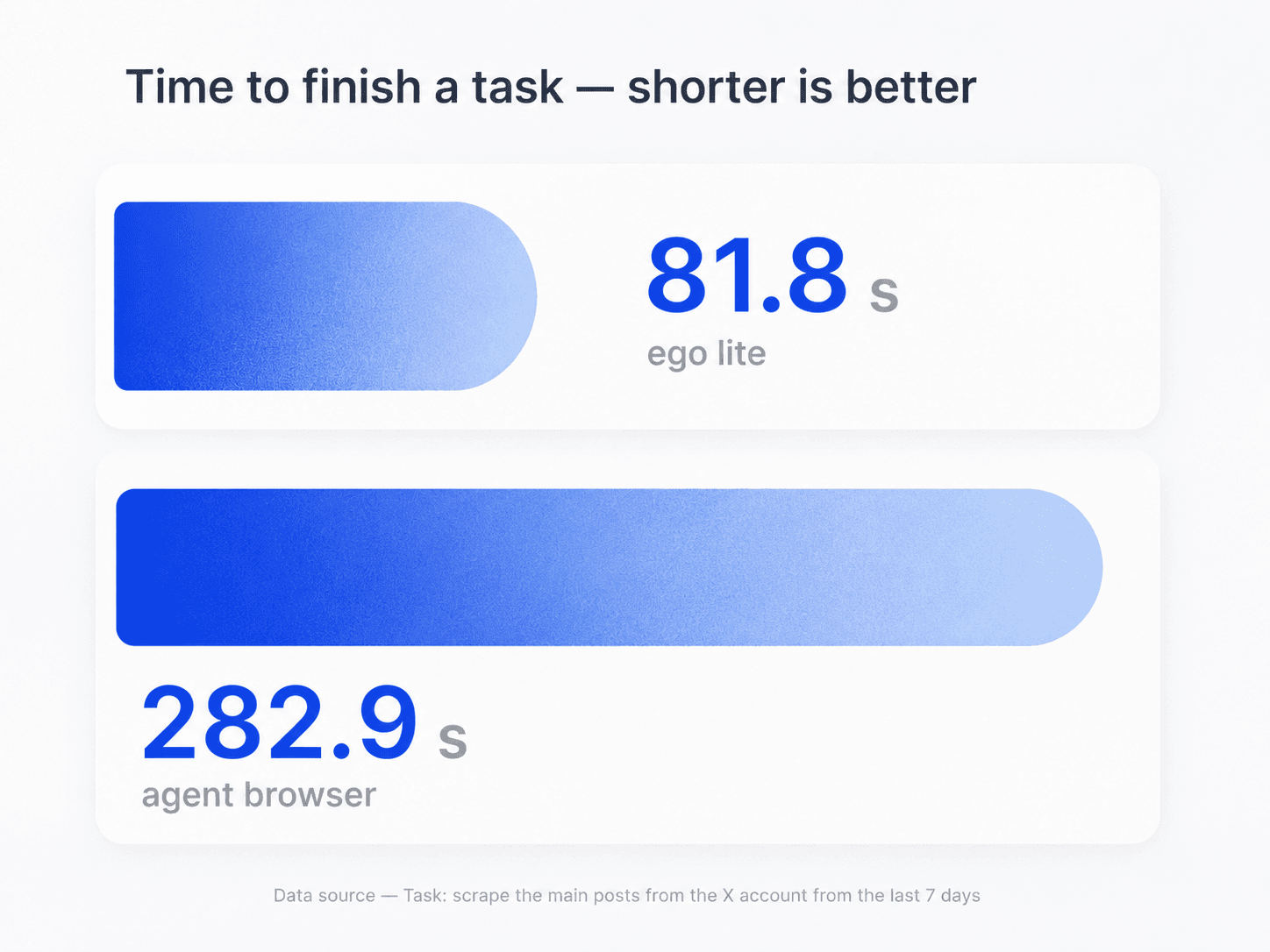
Use the same coding Agent for the collection and the analysis that follows. It reads each public post in a real browser and returns one source linked report you can hand to a teammate. In the task shown here, ego (lite) finished in 81.8 seconds, compared with 282.9 seconds for an agent browser. Actual timing varies by website, workflow, and network conditions.

Task time comparison for ego (lite) and an agent browser during public data research

Run Facebook research tasks in parallel

Use a separate Space for each Page, campaign, or small source list. The collection stays away from your everyday tabs, and you can return to the exact post where a value was visible or where Facebook asked for your attention.

Separate ego (lite) Spaces for isolated Facebook public engagement collection tasks

Multitask efficiently while staying in control

Open any Space to see which public post the Agent is reviewing. If Facebook asks for sign in, a security checkpoint, consent, or another human decision, the Agent records the status and hands the browser back to you instead of trying to bypass the control.

Use only a browser context you authorize

Import the Chrome context you choose rather than handing your login or an access token to a liker site. The data available to the Agent matches what that browser can visibly open, while Facebook's login, privacy, regional, and rate limit rules stay in effect.

ego (lite) Chrome context import for an authorized Facebook browser session

What this Facebook public data workflow can and cannot do

Meta's spam policy prohibits buying, selling, or exchanging likes, shares, follows, and clicks, and prohibits automated high frequency engagement. ego (lite) is not a Facebook auto liker: it turns values already visible in your authorized browser session into a source linked research record, then stops at access controls or unavailable fields.

What the Agent can record

Only public values that the current browser session visibly shows.

  • Post URL, displayed Page or profile name, and check time
  • The displayed reaction count exactly as Facebook formats it on that page
  • Comment count, share count, post date, and a short visible text snippet when the page shows them
  • A source linked CSV or Markdown report for a bounded user supplied list
  • An explicit unavailable, restricted, or needs review status instead of a guess

What stays out of scope

No fake engagement, no credential handoff, no access control bypass, no automatic liking.

  • Generating, buying, exchanging, simulating, or inflating likes, reactions, comments, shares, or followers
  • Liking, reacting, commenting, sharing, following, or friending on your behalf, at any frequency
  • Entering, storing, or passing on credentials or access tokens, or joining a liker site or like exchange network
  • Opening private profiles, private groups, or metrics the current session cannot visibly open, or bypassing sign in, checkpoints, CAPTCHA, or regional controls
  • Treating a public displayed count as verified analytics, a guarantee of authenticity, or a measure caused by the workflow

Read Meta's spam and fake engagement policy

Measure real Facebook engagement without buying fake likes

Give your Agent a bounded source list and an exact output contract. ego (lite) keeps the public source, displayed value, status, and stopping point visible, so your report remains useful without ever acting like a Facebook auto liker.

Try the public Facebook data workflow

Facebook public engagement data FAQ

A Facebook liker site is a service that promises free Facebook likes, usually through a like exchange network: you sign in or paste an access token, the service uses your account to like strangers' posts, and other captured accounts like yours in return. That is not what this workflow does. ego (lite) uses your own Agent to record public engagement values already visible on a small, user supplied set of Facebook posts, with the source URL and check time attached to every result.

They can make a number go up, but the engagement is not real. The likes come from captured or fake accounts, they do not represent people who saw your content, and Meta's spam policy prohibits buying, selling, or exchanging likes and other engagement. Inflated engagement can be removed, and the account activity that produced it can lead to restrictions. The number a liker site adds tells you nothing about how your content actually performs.

Treat them as unsafe by default. To like posts from your account, a liker site needs your password or an access token, which also lets it post, message, change settings, or resell your session. Handing either to a third party is the common thread across these services. ego (lite) never asks you to give credentials to anyone: the Agent works inside a browser context you already control, and this workflow forbids it from entering or storing credentials at all.

No. In this workflow the Agent only reads what is visible: it opens each public post in a visible Space, records the displayed reaction, comment, and share counts, and writes them to a source linked report. It is explicitly instructed not to like, react, comment, share, follow, or friend, and not to create or inflate any engagement metric at any speed.

It can record fields the page visibly displays in your current browser session: the post URL, the Page or profile name as shown, the post date or relative date, the displayed reaction count, comment and share counts when present, and a short visible text snippet for identification. The output keeps a check time and a status for every source. A missing or hidden field stays marked unavailable instead of being inferred.

No. If you searched for free Facebook likes or a free liker on Facebook, this is intentionally not that. No legitimate tool can add real likes to your posts, because real likes come from people who chose to react. What this workflow gives you instead is trustworthy measurement: exactly how much visible engagement your public posts, or the Pages you are comparing, actually have.

Growth advice is outside what a browser workflow can do, but the reliable levers are the ones Meta documents: post content your audience shares, post consistently, use Page insights to learn what works, and avoid engagement bait and purchased likes, both of which Meta demotes or removes. You can use this workflow to measure honestly which of your public posts earn the most real engagement over time.

The Agent stops in that Space, records the restriction, and tells you what needs review. You can take over only if you are authorized to complete the step yourself. The workflow does not enter credentials on its own, solve or bypass CAPTCHA or security checkpoints, evade a rate limit, or work around an age, region, or privacy control.

No. The report only contains values your authorized browser session can visibly open. Private profiles, private and closed groups, restricted posts, and anything behind a privacy setting stay out of scope, and the report marks those sources restricted instead of guessing. It also does not access Meta Business Suite or any private analytics.

ego (lite) is free to download on Mac, and this public engagement workflow runs with the Codex or Claude Code Agent you already use. Unlike a free liker fb site, it does not take payment in the form of your account: no credentials, no access tokens, and no likes issued from your profile in exchange.