ChatGPT Browser Use: Cloud Browser vs Your Own Browser

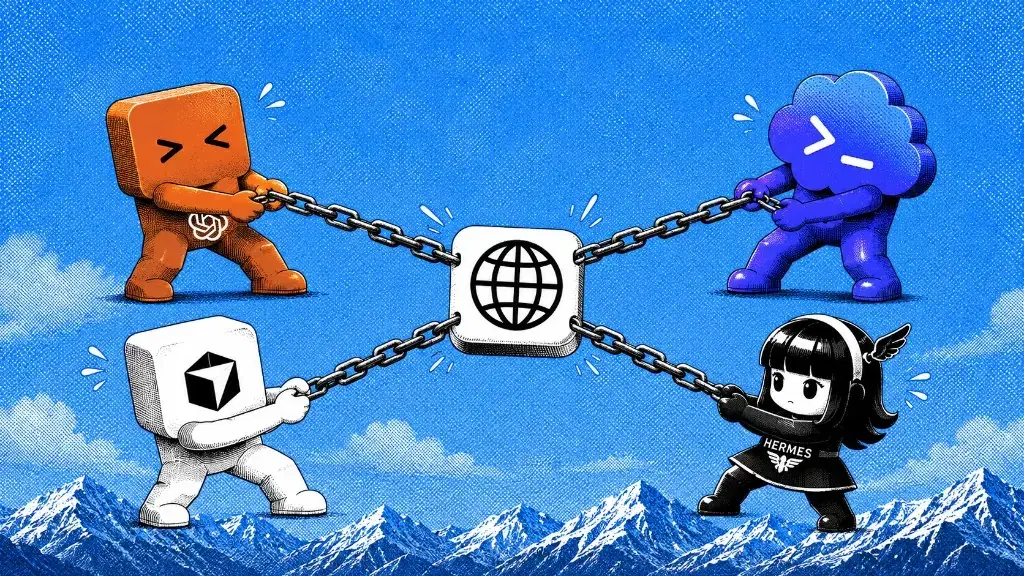
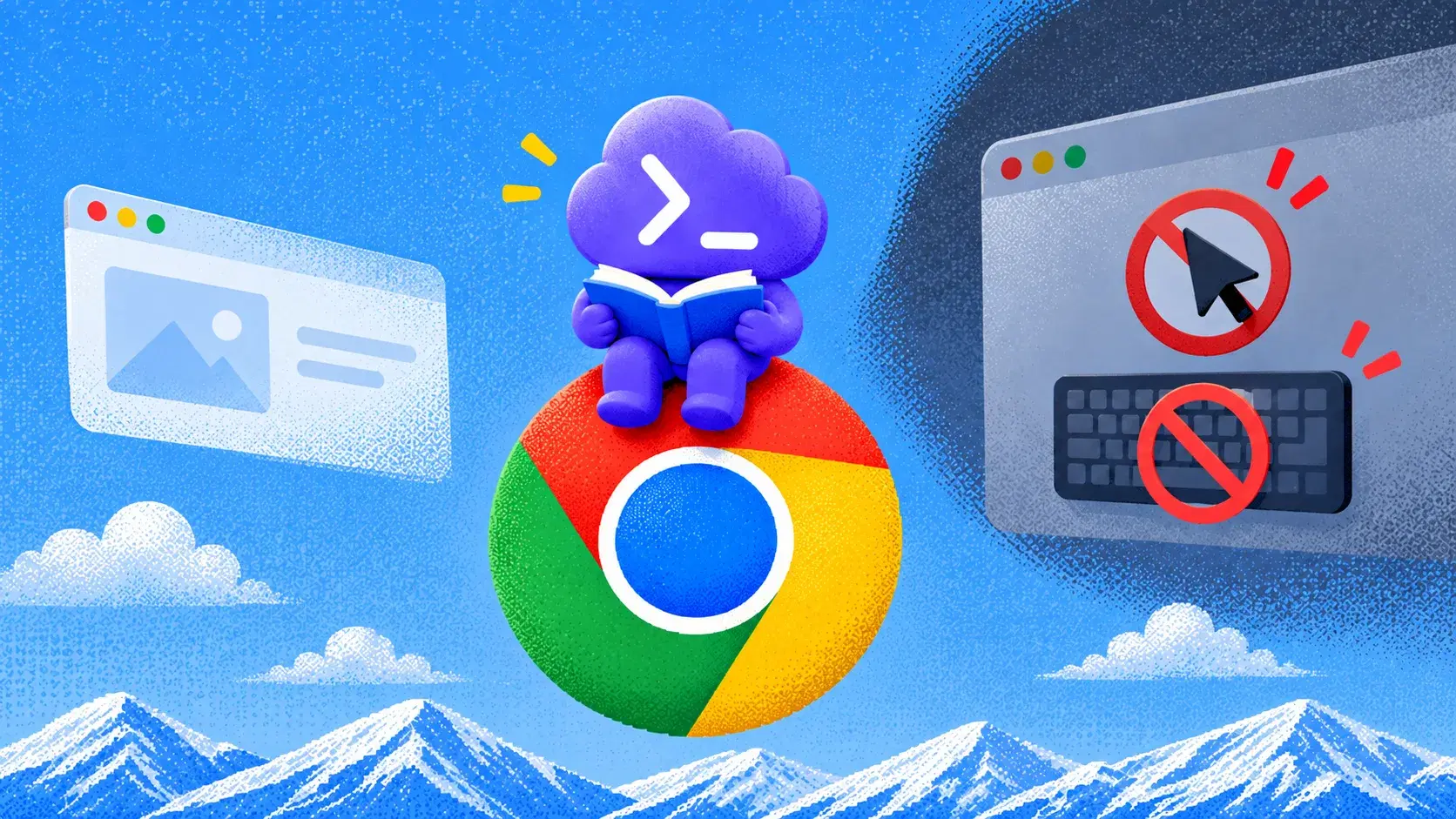
The query “ChatGPT browser use” hides three different jobs: asking ChatGPT to read a page, asking an agent to work in a provider-managed browser, or asking an agent to operate the Chrome profile you already use. They are not interchangeable. A cloud browser has its own profile; a page reader may have no interaction surface; and a Chrome connection can share your tabs and account state.
Start with the boundary that matters most: whose browser owns the cookies, extensions, IP, downloads, and open tabs? OpenAI's current Browser and Computer Use documentation describes controlled browser surfaces, but it does not turn ChatGPT into a remote control for every tab in your personal Chrome. If the task is behind your own login, select a route that explicitly owns an authorized local session.
What does ChatGPT browser use mean?
“Browser use” describes an agent taking browser actions—opening a URL, reading visible content, clicking, typing, or returning a screenshot or structured result. It does not describe one universal ChatGPT product. OpenAI's documentation separates browser-oriented surfaces from Computer Use, and product availability can vary by plan, application, region, and release. Check the current OpenAI docs and the controls shown in your account before relying on an older Atlas or browser tutorial. OpenAI's Browser documentation and Computer Use documentation are the authoritative starting points.
This distinction explains why two screenshots can both be called “ChatGPT browser use” while behaving differently. One may show a remote task session that the service provisions. Another may show a browser extension acting in a selected Chrome tab. The first protects your local profile by not having it; the second reaches it by sharing a window. Neither is automatically an independent local browser with inherited sessions.
What does the cloud-browser route access?
A cloud-browser route gives the agent a browser running in infrastructure controlled by the provider. It is a strong fit for public pages, disposable research, and tasks where a clean profile is a feature. The provider can manage the browser process, network, isolation, and cleanup; you do not need to keep a local Chrome window open.
The tradeoff is state. A cloud profile is not your daily profile unless you deliberately authenticate and store state there. Login, 2FA, device checks, extensions, local files, and internal network access can all require separate setup. Treat a persistent cloud profile as a credential-bearing environment: check retention, access, billing, and revocation before connecting a valuable account.
What does a Chrome connection access?
A browser extension or CDP attachment works in a local Chrome-family process that you select. This is the route that can reach a site you are already signed into, because the profile and its cookies remain local. It is also the route with the highest immediate blast radius: the agent may see the active tab, selected text, open tabs, forms, and any account that the attached profile can reach, depending on the tool's permissions.
The practical friction is ownership. A tab-following extension can change the page you are looking at. CDP can expose a whole browser process rather than one safe task. A browser extension may add per-site approval, but it still needs careful scope. Use a dedicated profile or selected tab for sensitive work, and keep a human confirmation before sending, purchasing, changing settings, or submitting a form.
A local connection also does not guarantee a challenge-free run. The site still evaluates the account, device, rate, and behavior. If a CAPTCHA, login prompt, consent dialog, or unfamiliar account appears, pause and handle it manually. Do not solve a platform control by rotating proxies, replaying another person's cookies, or asking the model to guess.
How do the browser-use routes compare?
The table separates the three dimensions that decide whether a route works in real life: where state lives, whether your window is occupied, and what you must maintain. It is a model of the architecture, not a promise that every provider exposes every capability.
| Route | Profile and login | Window ownership | Best fit |
|---|---|---|---|
| Cloud browser | Provider profile; authenticate separately | Independent from your local window | Public or disposable work |
| Chrome extension / CDP | Selected local profile and its sessions | Shared process, tabs, or selected tab | Supervised debugging or quick handoff |
| Isolated local browser Space | Authorized sessions inherited locally | Agent Space separate from daily window | Recurring logged-in workflows |
How can an agent use my own browser?
When the requirement is “keep my logins and credentials on this machine,” ego (lite) runs on your own computer and network so passwords, cookies, and session state are never handed to a hosted browser service or a shared cloud IP.
This is still a permissioned browser, not a bypass. The session can reach only what that account can reach, and platform rules still apply. A 2FA or CAPTCHA step is a human handoff. Keep the task bounded by domain and action, log the source URL and checked-at time, and review outputs before any consequential action.
ego-browser nodejs <<'EOF'
const task = await egoBrowser.newTaskSpace('chatgpt-browser-use')
await task.page.goto('https://example.com/', { waitUntil: 'domcontentloaded' })
console.log({
  source_url: task.page.url(),
  checked_at: new Date().toISOString(),
  access_status: 'visible',
  fields: ['title'],
})
EOF
Replace the example URL and field with a page you are authorized to read. The important part is the ownership contract: the agent works in a Space, the session stays local, and the output carries evidence instead of silently claiming that a cloud browser saw your account.
Which ChatGPT browser route should you choose?
Choose a cloud browser when isolation and public pages matter more than your existing sessions. Choose an extension or CDP when you need to inspect the exact Chrome state in front of you and can supervise a shared window. Choose an isolated local browser Space when you need recurring account work, inherited sessions, and an agent that can run beside your normal browsing.
Before connecting, write down the account, domains, allowed actions, data fields, and stop conditions. That short contract is more useful than a product label: it tells you whether a cloud profile, a shared tab, or a local Space has the right blast radius.
FAQ
Can ChatGPT control my existing Chrome browser?
Not by default. A specific Chrome extension, CDP setup, or local browser integration may attach an agent to a selected browser process or tab. ChatGPT's cloud or in-app browser surface is a separate environment. Confirm the exact connection mode, permissions, profile, and tab scope before assuming your logins are available.
Does ChatGPT browser use keep my website logins?
A provider-managed browser does not inherit your local cookies automatically. A deliberately attached local profile can use its existing session, subject to the tool's permissions and the site's checks. Never upload cookies or a browser profile archive unless you have consciously accepted that credential exposure and can revoke it.
Is a cloud browser safer than my real browser?
It has a smaller local blast radius because it cannot see your local profile by default, but it moves trust to the provider and any credentials you place in the cloud profile. A real browser can preserve local state but needs stronger tab, account, and action boundaries. Safety depends on the data and task, not the word cloud or local.
What happened to ChatGPT Atlas browser use?
Atlas-related search results and product names have changed quickly. Treat older launch posts and tutorials as historical context, not proof that a feature is still available. Check the current ChatGPT product surface and OpenAI documentation; then identify whether the browser is cloud-managed, in-app, or attached to your local Chrome before planning a workflow.
Can a browser agent bypass a CAPTCHA or login wall?
No. A CAPTCHA, consent prompt, rate limit, or login challenge is a stop condition. Complete it yourself when you are authorized, use a documented API, or end the task. Do not rotate proxies, solve challenges automatically, or replay another user's session.