Everything you need to know about browser automation
Guides, insights, comparisons, and reviews across Playwright MCP, Browser Use, Chrome DevTools MCP, coding agents, and the browsers they drive.
 Guides
Browser Use with local LLMs: what actually works
Browser Use documents a local Ollama path, but local tool calling has a narrow margin. Here is the documented setup, the failure modes, and how to tell whether a run actually worked.
 Guides
How to test MCP server quality before deployment: tools and steps
Ship an MCP server only after the Inspector proves it connects, exposes the tools you expect, returns portable schemas, and fails the build when any of that breaks. The layers, the commands, and the CI gate.
 Guides
Best Manus alternatives in 2026: browser automation tools
Manus is a hosted agent with a browser extension, so the alternatives question is really about where the browser runs, where your logins live, and whether you can watch the run. Five documented routes, each with its limits, and the six questions that pick between them.
 Guides
Web Scraping with Playwright: Wait, Extract, Check
A GET of a JavaScript-rendered page can miss the cards a person sees. Wait for the rendered DOM, extract fields, then validate counts.
 Guides
Playwright storageState: Cookies, Origins, Expiry
A storageState file is a cookie-and-localStorage snapshot. Session storage is missing by default. Load it in a fresh context, then read a key that was saved, not the login form that happened to stay gone.
 Guides
Automate Native File Dialogs in Browser Automation
The OS file dialog is outside the page. Browser automation sets the input, intercepts the chooser, or saves the download. Driving AutoIt is the exception, not the method.
 Guides
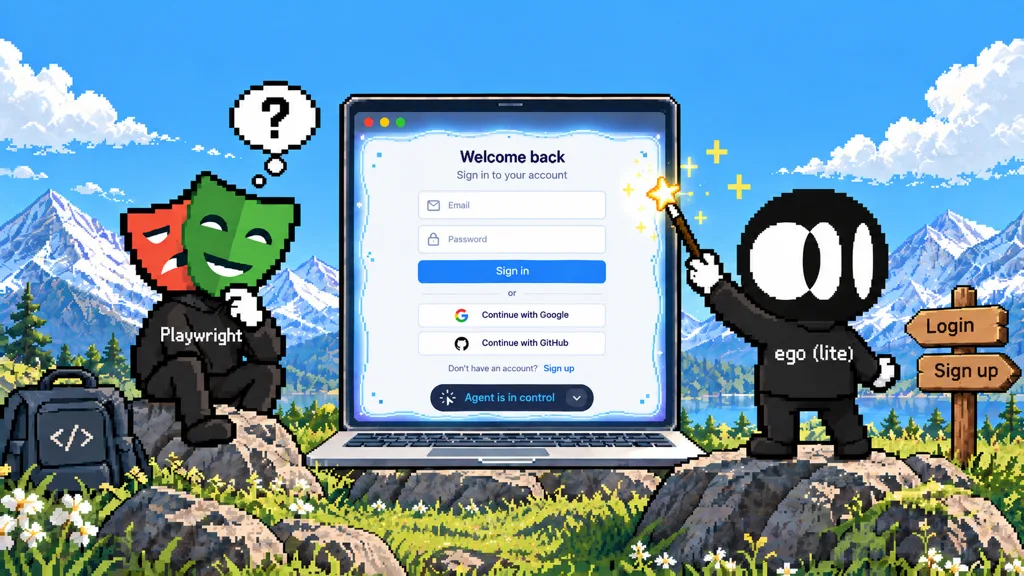
Playwright Authentication: Login Once, Reuse State
Playwright authentication fails in three recognizable ways, and two of them look like bugs elsewhere: you land back on the login page, an API returns 401, or a post-login element never appears. This guide separates the four root causes, shows the login-once flow with real measured runs, and covers expiry detection, automatic re-authentication, parallel account isolation, and the verification steps that prove the session is genuinely live before you rely on it.
 Guides
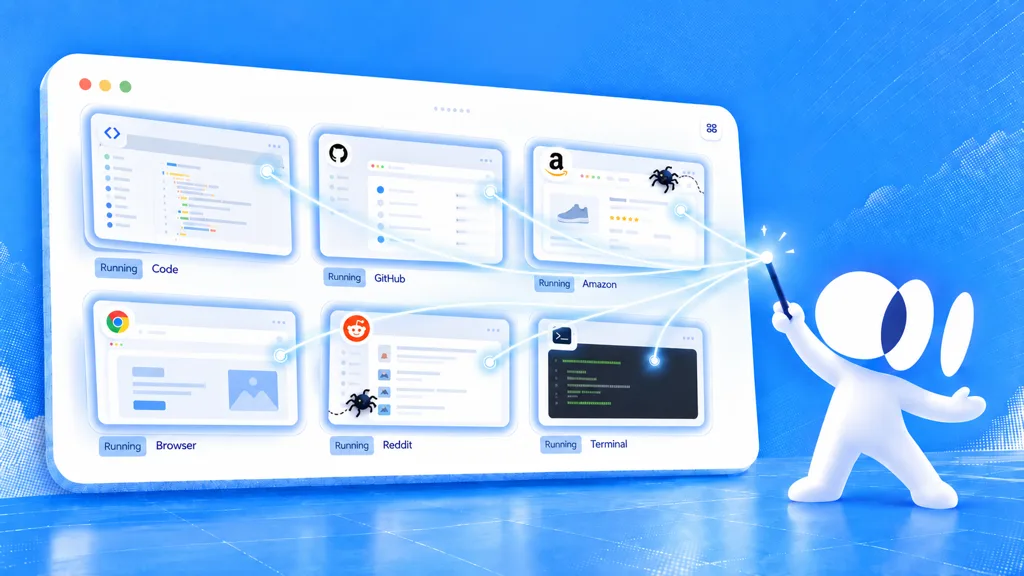
Web Scraping Pagination: Numbered, Load More, Scroll
Pagination code fails in three different ways because it is really three problems. This guide shows how to identify the mode from the page, derive URL rules and termination conditions for numbered pages, wait correctly for load more and infinite scroll, record crawl state so a crash does not cost the run, and validate the result with counts and field checks. Every measured number comes from a controlled local fixture with 135 numbered rows, 81 load-more rows, and 60 feed items.
 Guides
Login Handoff in AI Browser Agents: OAuth and MFA
An agent that meets a login wall should not reach for a password store. The login handoff pattern keeps the human in the loop for exactly the steps that require a person, then lets the agent resume in the same authenticated session. This guide defines the pattern, shows a working implementation with measured runs including a timeout case, and covers what must never be automated.